Machine learning for predicting urban greenhouse gas emissions: A systematic literature review

Abstract
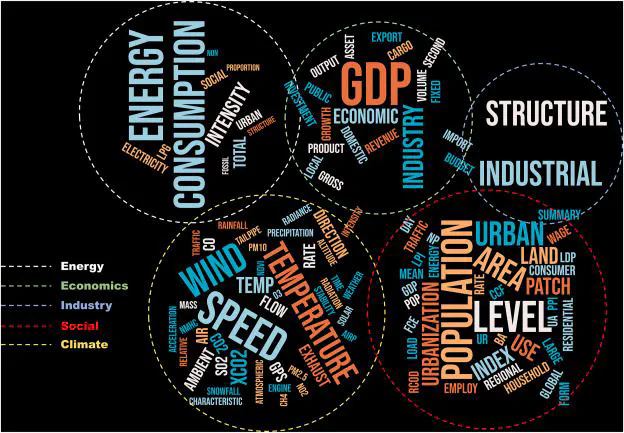
Greenhouse gases play a crucial role in shaping urban climate patterns and dynamics. Using machine learning methods offers opportunities for predicting greenhouse gas emissions in cities, both now and in the future. Here, we review 75 papers from 2003 to 2023 that utilized machine learning to forecast urban greenhouse gas emissions. We focus on two aspects: the models used and the driving factors of emissions. Across all models, R2 range from 0.5231 to 0.9989, MAPE range from 0.3017 % to 26.3 %. Hybrid and neural network models emerged as the most popular choices. The most common combinations were spatial hybrid models, primarily blending spatial models with machine learning predictions. Time series hybrid models mostly featured optimized models and machine learning prediction models. Hybrid models outperform single models in both R2 and MAPE. We propose three key recommendations to enhance the accuracy and reliability of future machine learning models: 1) Establish criteria for evaluating influential factors and model selection, 2) Enhance spatial prediction in machine learning by optimization models, and 3) Explore and compare how greenhouse gas prediction models perform across diverse urban settings.
Type
Publication
Renewable and Sustainable Energy Reviews